
3 Best Investing Tips For Beginners

Investing can help you maximise the amount of money you can earn, so you can grow your wealth and have greater financial security when you head into your retirement years. If you aren’t yet investing, however, there are some things you should know before dipping your toe into the stock market. Here are three simple to follow tips for any beginner investor just starting out. 1. Audit your finances before you even start to invest Before taking on the risk of investing your money in the stock market, you should first have a plan and feel financially stable. 2. Utilise retirement accounts as much as you can There’s a reason the majority of Singaporeans participate in the market through their retirement accounts: It’s low-hanging fruit when you’re looking to invest. If you have access to a work retirement plan, make sure a portion of your paycheck is automatically invested in the account each pay period. The ideal contribution amount is between 15% to 20% of your gross income, but do what works with your budget and income level. 3. Know you don’t have to be an expert When you’re looking to invest beyond your retirement accounts, there are plenty of investment vehicles out there that can help. If you don’t know follow the market closely, consider putting money into robo-advisors like Syfe and StashAway or bank platforms such as OCBC RoboInvest or DBS digiPortfolio. These types of platforms and programs typically provide some advisory services, but you’ll also want to make sure you know any app, membership or investing fees beforehand.
Finding A Licensed Moneylender
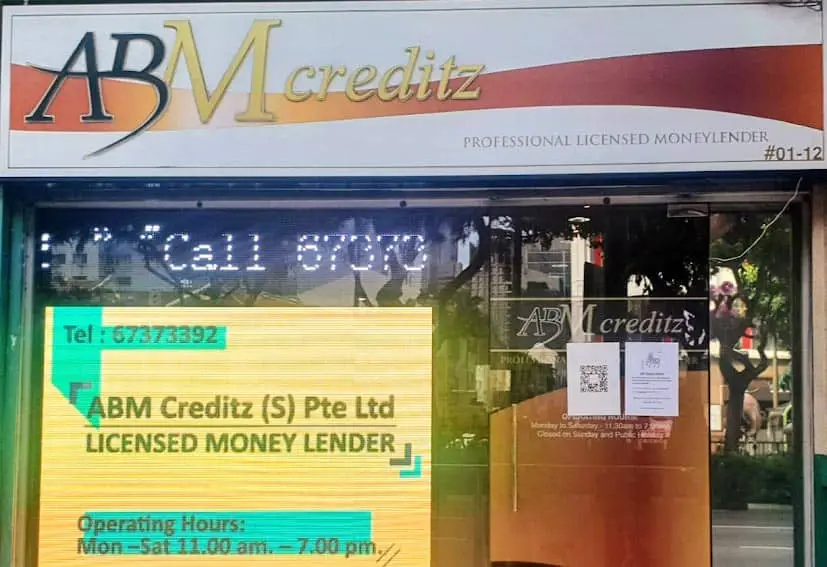
We all need to borrow money from time to time. In these situations, we often look to moneylenders as an easier, more convenient alternative to borrowing money from the bank. It’s true: licensed moneylenders can be a life saver when you need to borrow money quickly. Unfortunately, in recent years, an illegal industry of ‘loan sharks’ posing as money lenders has grown rapidly, preying on innocent people who have nowhere else to go. These loan sharks are known for their ruthless business practices, charging massive interest rates–sometimes 40% per month or more–and threatening, coercing and intimidating borrowers. While we might wish that loan sharks admitted the real nature of their business openly, the fact is that many claim to be licensed moneylenders. For this reason, you must know how to tell the difference between a licensed moneylender and a loan shark if you are seeking credit from a lender. The following 8 tips will help you tell who you can trust and who to watch out for. 1. Licensed Moneylenders Will Explain the Terms of Your Loan in Language You Can Understand Singapore law requires that licensed moneylenders explain the terms of your loan to you in language that you can easily understand. This includes answering any questions you have about your loan, as well as explaining your interest rate, payment method options, and repayment period. If you run into a moneylender who hands you a contract and refuses to explain the terms in plain English, run. It’s very likely that you are dealing with a loan shark. 2. Licensed Moneylenders Will Always Have You Sign a Contract. Licensed moneylenders are required by law to have their customers sign a contract. The contract will be written by a lawyer, and include information such as: If somebody offers to loan you money without a contract OR asks you to sign a blank or incomplete contract, do not accept the offer. This individual is not behaving like a licensed moneylender, and may be a loan shark in disguise. 3. Licensed Moneylenders Do Not Charge Above-Market Interest Rates. All licensed moneylenders are required to follow Singapore guidelines on interest rates. Since October 1st, 2015, the maximum interest rate has been set at 4% per month. A licensed moneylender will never charge higher than that amount. A loan shark, on the other hand, will usually charge far more than that. Loan sharks charging 50% per month or more in interest rates is not unheard of. 4. Licensed Moneylenders Can Only Charge 3 Types of Fees. As per Singapore law, a moneylender can only charge 3 types of fees (aside from interest): If you run into a lender who tries to charge fees other than those listed above, it’s very likely you’re dealing with a loan shark. For example, if a lender says that you will need to pay $100 a month in late payment fees, they are charging illegal fees–a licensed lender wouldn’t knowingly do this. 5. Licensed Moneylenders are Listed on the Ministry of Law Website. All licensed moneylenders are listed on the Singapore Ministry of Law website. If you are in contact with a moneylender, make sure to check the website and see if they are listed. If they are not, it is very likely they are a loan shark. Click here to view the Ministry of Law’s Registry of Moneylenders One situation where a licensed lender may not be listed, is if they received their license very recently and the site has not been updated with their information. If you believe this to be the case, call the ministry at 1800 2255 529. 6. Licensed Moneylenders Will Always Have An Office. By Singapore law, licensed moneylenders are required to have an office, which must match the one registered for them on the Ministry of Law website. Typically, a professional moneylender will conduct their business in a well-maintained office in a building, similar to an accountant or a lawyer. Your initial meeting and contract-signing with a moneylender will almost always take place in their office space, though they may communicate by phone or email afterwards. A loan shark, on the other hand, will often not have an office. Being an illegal business, they need not worry about what the law says. Therefore, the legal requirement to have an office doesn’t apply to them. So if you run into someone claiming to be a moneylender but who does business exclusively online, or openly admits to not having an office, watch out. They’re very likely to be a loan shark. 7. Loan Sharks Often Use Threats and Abusive Language Finally, loan sharks will often rely on threats, intimidation and abusive language to collect fees. Professional guidelines do not permit licensed moneylenders to use any of these tactics; should you encounter a ‘moneylender’ who has a reputation of threatening or abusing their customers, stay clear. They are very likely a loan shark. Unfortunately, tactics like these do not usually start until after a loan has been given. A loan shark may put on a friendly face at the first meeting, only to become abusive when trying to collect. As always, when dealing with someone claiming to be a moneylender, you should check the Registry of Moneylenders to see if they are licensed. 8. Check the Licence and Address Information with the Ministry of Law Be aware that loan sharks will sometimes use a licensed moneylender’s name, address, licence number and other information to build a false sense of security and trust with victims. To be safe, we highly recommend that you take the time to check the information provided by anybody claiming to be a moneylender, using the following methods: A final word: Knowing your rights when it comes to borrowing money is crucial to your financial safety. There are thousands of loan sharks operating in Singapore, preying on innocent people who lack the information necessary to make good decisions. To apply for a loan from an accredited institution, visit us at https://abmcreditz.com.sg/apply-for-loan/ today!
3 Ways to Protect Yourself From Inflation

We know that GST is going to increase in 2023 and a lot of talk has been bandied about regarding inflation and how it might affect us. In fact, Singapore’s core inflation has recently risen to the highest level in 9 years. In addition to death and taxes, inflation is another phenomenon that we can expect with near certainty over a period of time. Singapore has actually gone through many brief periods of deflation, but in general, economic progress is accompanied by inflationary pressures. Inflation may occur when there is too much money in the system, which leads to an escalation in the price of goods. However, if a household’s two primary sources of wealth creation—asset and income appreciation—rise at a rate equal to or greater than inflation, the negative effects of inflation are neutralised. Yet, as we’ve seen time and again, that usually is not the case. While the minimum wage has increased, the overall price of goods has outpaced the average salary increases of recent years. The Worst Tax Inflation is often referred to as the “worst tax” because its effects go unnoticed by most people. Hypothetically, earning 4% in a savings account while inflation grows at 7% makes many feel 4% richer. In fact, they are 3% poorer. That’s why it’s important for households and investors alike to understand the causes and effects of inflation, and how to plan so as to ensure that their assets maintain their purchasing power. Here are three investment approaches everyone should consider as ways of protecting their hard-earned wealth from the ravages of inflation. Invest in Stocks Despite the lack of confidence most people express about stocks, owning some equities can be a very good way to combat inflation. Think of your household as a business. If a company cannot properly invest its money in projects that will deliver a return above its costs, then it, too, will fall victim to inflation. The basic premise of business success is that corporations will sell their goods at increasing prices, which will lead to elevated revenues, earnings, and inevitably, stock prices. Some of the best stocks to own during inflation would be in companies that can increase their prices naturally during inflationary periods. Commodity resource companies are one example. Products like oil, grains, and metals enjoy pricing power during periods of inflation. The prices of these items tend to go up as opposed to, for example, the price of a computer, which is subject to manufacturer and distributor price adjustments. Still, price increases aren’t enough to protect against inflation. If a company experiences rising expenses, price increases alone are not enough to maintain equity appreciation. That’s why grocery stores, which may benefit from an increase in food prices, may also suffer from an increase in their cost of goods sold. Look to invest in businesses such as commodity firms or healthcare companies that possess the strongest profit margins and, generally, the lowest cost of production. Finally, never underestimate the value of dividends during periods of inflation. Dividends increase the total return of a portfolio. Invest in a Home When done for the right reasons, like buying a home to live in, real estate is always a good investment. Problems occur when a buyer’s goal is to flip the property they just bought at a profit. Although experienced real estate investors are able to find hidden values in properties, the average person should focus on purchasing a home with the intent of holding it, even if only for a few years. Real estate investments do not typically generate a return within several months or weeks; they require an extensive waiting period in order for values to increase. As a home buyer, unless you’re paying cash, you’re likely to put some money down and take out a loan, known as a mortgage loan, for the remainder of the purchase price. There are different types of mortgages—fixed-rate and adjustable are the most common—but the underlying principle is the same. You pay off a little of the principal each month until you’re left with ownership of a debt-free asset that should continue to appreciate over time. If you get a fixed-rate mortgage, you end up paying off future debt with cheaper currency if rates increase. But if rates decrease, you’re still responsible for the fixed amount. Various factors should be taken into account in order to determine your best mortgage option. Like land, home prices tend to increase in value on an average year-over-year basis. It is true that real estate bubbles are usually followed by correctional periods, sometimes causing homes to lose over half of their value. Still, on average, housing prices tend to increase over time, counteracting the effects of inflation. Invest in Yourself By far the best investment you can make to be prepared for an uncertain financial future is an investment in yourself. One that will increase your future earning power. This investment begins with quality education and continues with keeping skills up-to-date and learning new skills that will match those most needed in the not-too-distant future. Being able to stay on top of a business’s changing needs may not only help to inflation-proof your salary, but also recession-proof your career. To apply for a personal loan, visit ABM Credit today!
How to manage your personal loans more effectively
Personal loans can be helpful for covering a large planned expense, such as a home renovation, or an unexpected financial emergency that may come your way. Navigating the personal loan application process and getting approved is the first step. The second is creating a strategy for repaying what you’ve borrowed. Whenever you’re considering opening or making any changes to your personal loan, always make sure you do some thorough research. 5 tips to help you manage personal loans more efficiently Here are five tips that can help managing personal loans easier. 1. Budget for your monthly payments Budgeting can go a long way toward successfully managing personal loans. A good time to create a budget is before you actually apply for a personal loan. This way, you have an idea of how much you can afford in the way of monthly payments. When you already have a personal loan, you can still use budgeting to your advantage. Review your current expenses to see how much you have leftover each month. Then add your personal loan monthly payments to that amount. If your monthly loan payments would put you in the red, that’s a sign that you’ll need to reduce spending in other areas to stay under budget. If you still have room in your budget, you can then decide whether you want to apply that extra money to your loan, send it to savings, or use it to fund other financial goals. 2. Keep an eye out for refinancing opportunities Refinancing your personal loan could make sense if it allows you to get a lower interest rate. Reducing your loan rate can save you money on interest and it could also reduce your monthly payments, which can make budgeting easier. Before refinancing, do some basic savings calculations to see how much you could save in interest and how much your new loan payments might be. 3. Set your payment schedule Some personal loan lenders may assign you a specific due date for making monthly payments. Others may let you choose your loan payment date. If you have the option to choose your due date, consider what works best for your budget. If most of your bigger bills are due around the first of the month, for example, you may want to schedule your loan payments to be due toward the middle of the month. Being able to pick your due date gives you some flexibility. But if your lender doesn’t offer that, you may need to go back to your budget to figure out how to best allocate your pay checks to cover your payments. 4. Automate to avoid late payment fees Automating payments to your personal loans is convenient and it can also save you money. Putting payments on autopilot means you don’t have to worry about paying on time or triggering late payment fees. You also don’t run the risk of causing credit score damage by having a late payment on your credit history. Making monthly payments to personal loans automatically can also yield another benefit if you’re able to get an interest rate discount. Some personal loan lenders offer an interest rate reduction for enrolling in autopay. That could make a significant difference in the total interest you pay over the life of the loan. 5. Watch out for prepayment penalties If you’ve committed to budgeting it’s possible that you may be able to pay your personal loans off early. Prepayment can save you money in interest over the life of the loan, but it’s important to know whether you’ll be penalized for it. Some personal loan lenders charge prepayment penalties for paying loans off early. This penalty is designed to help the lender make up for interest payments they won’t get to collect. Before paying off your loans for good, read the fine print on your loan paperwork to see if any prepayment penalty applies. For more information about personal loans — or if you’re ready to take out another personal loan —visit www.abmcreditz.com.sg!
Credit Score in Singapore: What Is It and How To Improve It

Few individuals can manage to pay for big-ticket buys in cash. For most of us, getting an advance is the way to go. In any case, did you know that your ability to get a loan can be influenced by your credit score? What is a credit score? A credit score is a statistic derived from a person’s credit history, using data from a range of factors, such as• a loan application,• a credit bureau report or• Performance on existing loansThe score estimates the probability of an applicant repaying a loan that’s been extended to them. The score is typically a range of values; an example could be a range between 0 to 1000, where• individuals who score at the lower end of the range are more likely to default on a payment, while• those who score at the higher end of the range are less likely to miss a payment or default. How to check credit score in Singapore? To check your credit score, you’ll have to generate a credit report from the Credit Bureau Singapore (CBS)[¹]. You can either1. Request for a softcopy online or2. Request for a hardcopy at SingPost outlets, the CBS office or CrimsonLogic Service Bureaus Price: S$6.42 (incl. GST) + S$2.00 for multiple delivery modes.You may collect your report within 2 hours at any SingPost outlet for an additional administrative fee of S$17.12. Tip!If you’ve just applied for a new credit facility with any CBS member[²], you’re entitled to a free credit report. Is my credit score good or bad? A good or bad credit score varies by product and the risk appetite of the lender. This is dependent on the default rate the lender is willing to accept and/or has priced for. How does a person’s credit score affect their loan eligibility? A person’s credit score is an integral part of the loan application process and determines● the cost of the loan and● whether or not an application is approved. Applicants with higher credit scores are typically offered better interest rates. In contrast, those with a lower credit score may not be given a loan at all and, if they are, the interest rate and terms may be more stringent. At most credit institutions, “cut-off” or base scores are applied when making lending decisions. Customers whose credit scores are below the “cut-off” will be declined, and those above will be approved, if they meet the additional affordability and verification policy requirements. The “cut-off” is set at a level that ensures the bank only accepts customers who meet its risk appetite for that specific product. Did you know?Other than your credit score, lenders may also consider other factors during a loan application, including annual salary, employment period, bankruptcy/litigation information and number of credit facilities. FYI:CBS does not have a role in the loan approval decision; the decision is fully dependent on the risk appetite of the lenders and their policies. Instead, CBS only provides factual credit-related information about consumers to the lenders to facilitate their decision. What affects your credit score? Available creditThis is the number of open or active accounts available for credit. Having multiple credit lines may lower your credit score. Recent creditIf you need to apply for new credit, it’s best to space it out. Applying for credit facilities within a short timespan will give the impression that you’re exhausting your finances. Enquiry activityAn enquiry is filed every time you apply for a loan. Therefore, a high number of enquiries will reduce your credit score, as it would seem like you’re taking on more debt. To prevent this, minimise the number of credit facilities you sign up for. Utilisation patternThis indicates the amount of credit used (or owned) on your accounts. Higher utilization indicates more debt burden which could reduce your score. Account delinquency dataLate payments will reduce your credit score, as it indicates that you’re spending beyond your limit and prone to debt. Credit account historyHaving a history of punctual payments will improve your credit score, as compared to an individual with limited credit history. How to improve credit score in Singapore? Credit reports reflect your credit history for the past 12 months. This means that you are still able to improve your credit score by adopting the following practices for the next 12 months. Stay within your existing credit limitsAvoid becoming highly utilised on existing credit cards products. Manage your credit card payments intelligentlyIf you only pay the minimum amount each month, the interest on the balance can quickly add up. Missed repayments can also affect your credit score, so aim to pay your credit card balance in full each month. Manage your total credit exposure as a percentage of your income avoid having many credit cards; even when not using them could create the impression that you have the potential to become indebted. Demonstrate low risk management of current credit exposureHave some credit products, such as a mortgage. Proving that you’re managing your existing credit exposure at low risk can strengthen your credit score. Avoid applying for multiple non-mortgage credit products within a short time periodA customer who makes multiple credit card or personal loan applications to different lenders looks “credit hungry”. This gives the impression that they’re being declined by other lenders. Maintaining or improving your credit score in SingaporeAlways keep in mind to adopt favourable practices; spend within your limit and do not overstretch yourself. Another thing to note – when applying for loans, it’s important to check how your lender’s loans are priced to ensure that you’re getting attractive repayment terms.
5 Good Reasons To Get A Personal Loan
Personal loans are good for a variety of purposes—from consolidating debt to putting in that pool your family has always dreamed of. But they are personal, which means your reasons are yours. If you’re thinking about getting a personal loan, learn how they work before applying. How Personal Loans Work Vs. Other Financing Personal loans are usually a type of unsecured loan, meaning you aren’t required to offer collateral in case you don’t repay the loan. There’s nothing for a creditor to seize if you take out an unsecured loan and don’t repay it, but there are still consequences: Your credit score will be affected and your loan could go into default. Unsecured loans use your credit score and credit history to determine if you qualify. While home and auto loans require you to use those loans for specific purposes, personal loans don’t have the same requirements. Instead, you can use a personal loan for almost anything, as long as it’s within the terms outlined in your loan agreement. Personal loans are awarded in a lump sum, and you make monthly payments until your loan is paid in full. 5 Reasons for a Personal Loan Personal loans can be used for practically any need you have—within reason and according to the terms of your loan. You can’t use the money for anything illegal, to gamble, or, in most cases, for postsecondary education expenses. Here are some good reasons to get a personal loan. Emergency Cash Assistance If you need money right away to cover bills, an emergency cost or something else that needs immediate attention, you can take out a personal loan. You can use a personal loan to cover emergencies like: Debt Consolidation A personal loan can be used as a form of debt consolidation, especially with credit card debt. It’s also a popular reason people take out a personal loan. Personal loans charge lower interest rates compared to credit cards, particularly if you have good credit. The best personal loans charge an interest rate as low as 4%, well below the double-digit percentages most credit cards charge. You can take out a personal loan, pay off the balance of your outstanding credit cards and then make one payment to your new personal loan servicer. Home Improvement and Repairs If you own your home, you could take out a home equity loan to fix or make upgrades. But you can also take out a personal loan. Home equity loans and lines of credit are great for tackling home projects, but they’re secured and use your home as collateral. If you don’t want to risk losing your home in case you fall behind on payments, a personal loan is a solid substitute. Along with that, it might be quicker to get a personal loan compared to a home equity loan. Vehicle Financing Auto loans are available if you’re looking to buy or lease a car, but personal loans are also available. Auto loans tend to have lower interest rates compared to personal loans, but they are secured loans and use your vehicle as collateral. If you’re worried about missing payments and your car getting repossessed, a personal loan might be a better option for you. Wedding Expenses We don’t recommend borrowing money to pay for a wedding. Instead, consider paring down your wants to fit your budget, rather than increase your budget to fit your wants. But if you do need to borrow money, you have a few options, like credit cards and personal loans. Credit cards tend to have higher interest rates compared to personal loans. Taking out a cash advance on your credit card can have even higher interest rates and fees. A personal loan is a less expensive option for borrowing if you need the money to cover the cost of a wedding.